

The 'Double-Engine' Government Has Paved the Way for the Development of the Poor: All Scheduled Tribes in the State Now Covered Under the Chief Minister's Housing Scheme (Rural) — Shri Maurya
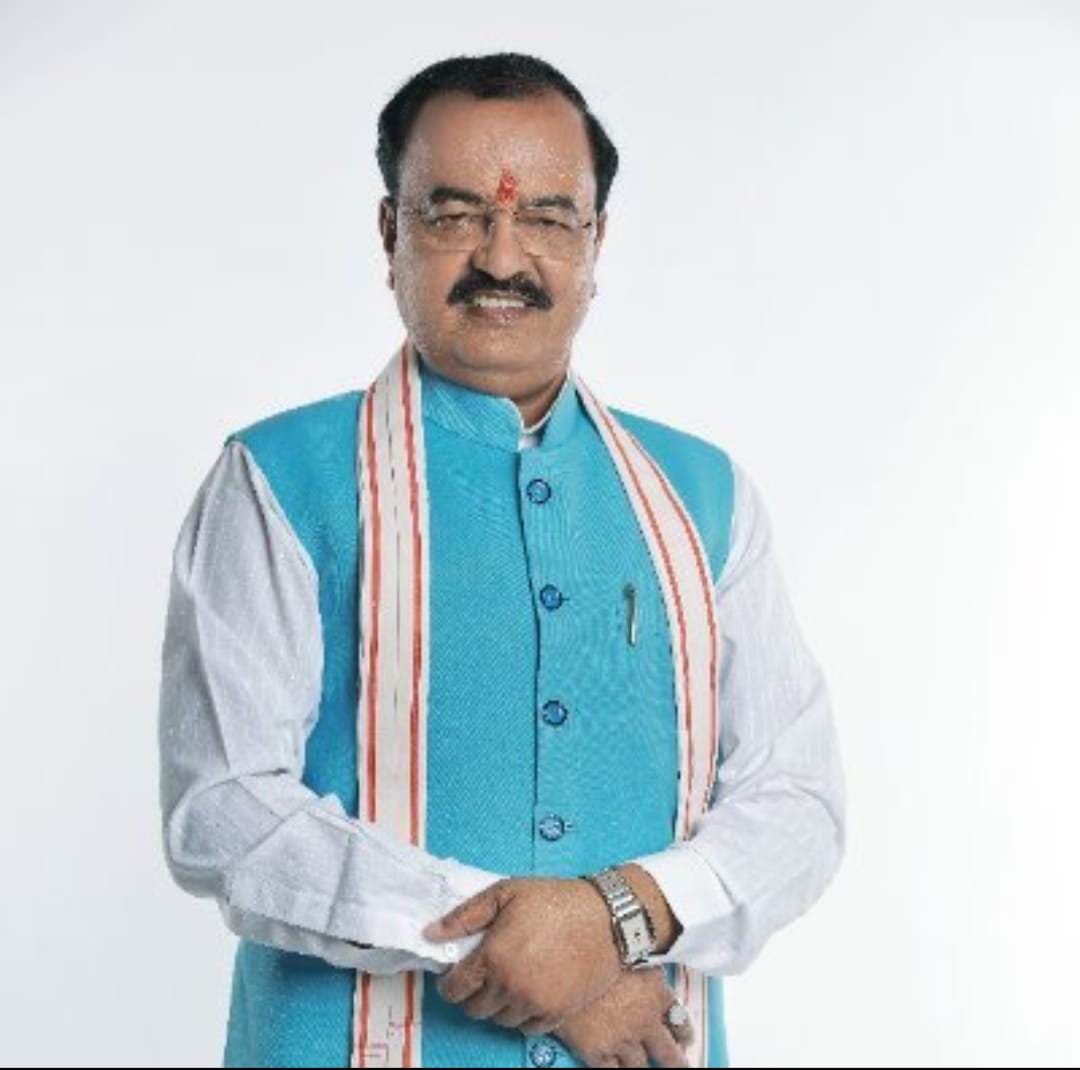
Keshav Prasad Maurya stated that, giving concrete shape to the Honorable Prime Minister Shri Modi's mantra of 'Sabka Saath, Sabka Vikas' (Support of All, Development for All), Uttar Pradesh's 'Double Engine' government is committed to extending the light of development to every individual standing at the last rung of society. He informed that the state government, by further expanding the scope of the 'Mukhyamantri Awas Yojana-Gramin' (Chief Minister's Housing Scheme-Rural), has decided to include all those Scheduled Tribes (STs) of the state in the scheme's eligibility list that had hitherto remained deprived of it.
Launching a scathing attack on the previous government, the Deputy Chief Minister remarked that preceding governments never made any effort to integrate these tribes into the mainstream. They utilized these backward and deprived communities merely as a 'vote bank' and consistently exploited them while in power.
Today, our government is upholding the dignity of the Bhotia, Jaunsari, Raji, and Gond communities—along with their synonyms such as Dhuria, Ojha, Nayak, Pathari, Rajgond, Kharwar, Khairwar, Parahiya, Pankha, Panika, Agariya, Patari, Bhuiyan, and Bhuniyain—by granting them their rightful entitlements and providing them with a roof over their heads.
Shri Maurya clarified that this scheme operates on a 'Saturation Mode' basis. Once a specific community is included in the scheme, efforts are made to achieve 100 percent coverage for that community within the initial two years. Citing the examples of the Musahar and Vantangia communities, he noted that housing has already been provided to almost all eligible beneficiaries belonging to these groups. This scheme is also proving to be a boon for the following categories: families rendered homeless due to natural disasters (floods, fires, earthquakes); families affected by Kala-azar and Japanese Encephalitis (JE/AES); individuals affected by leprosy; and destitute women (aged 18 to 50) and persons with disabilities.
_732792576_351x234.jpg)
_1594773568_351x234.jpg)
_698442978_351x234.jpg)
_1330864813_351x234.jpg)
_2078209559_351x234.jpg)